
As the days grow shorter and the nights get colder, fall is fading away as winter starts to take center stage. With the first day of winter upon us, Christmas right around the corner, and the beginning of a New Year soon to follow, many of us are caught up in the hustle of the season. But, before I get completely immersed in the winter season, I wanted to take one last moment to remember my favorite season of the year, before it bids us farewell.
Fall has been my favorite season for as long as I can remember. As a kid, I could remember how much I loved the start of a new school year, watching football with the family, playing outside with the neighbor kids in the cool autumn air, and getting excited for all of the Halloween and Thanksgiving festivities. So many great memories.
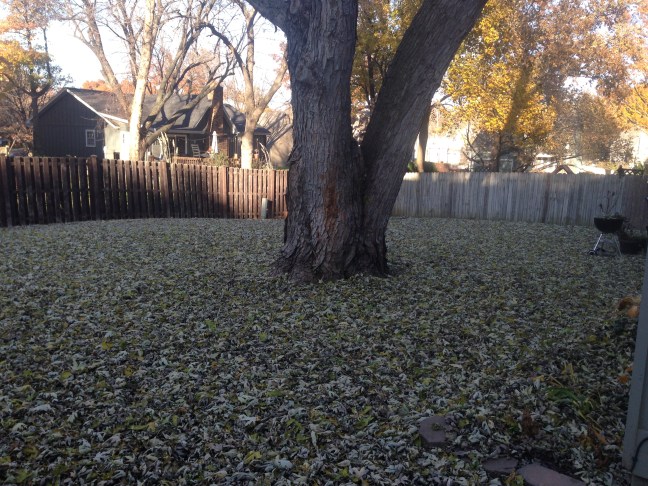
As I look back on many of these memories, I’m amazed at how many of them include the sights and smells and sounds of fallen leaves. Before long, I’m taken back to moments where leaves weren’t seen as those dreaded things that clog up your gutters or make a mess of your lawn. Instead, these fallen leaves provided my friends and me with the materials needed to make a giant leaf pile… the kind all of your buddies would want to dive into. I can remember at times getting so excited when we would get the chance to rake leaves into giant piles. It didn’t seem like a chore, but rather a game.
I’m not sure when it started, but my dad would gather up the leaves we’d rake up and put them in a big pile beside his garden. He’d use some thin garden fencing he had to construct a simple “leaf cage” so the leaves wouldn’t blow away. It was a simple pile, nothing fancy, but boy would it grow. In the following spring and summer, he would use these leaves to create the base for his compost pile. The next spring, after the grass would start to green up and grow, my dad would catch some clippings while he mowed, and add it to the leaves to help get his compost pile started. It didn’t take long before the leaves and grass clippings started to heat up and decompose, helping to create some rich, homemade, compost for his garden.
As a gardener now myself, my perspective on fall leaves has changed. I no longer see them as just a mess to clean up, but rather a great source of organic material that can be used to make mulch and compost. Over the years I’ve learned one of the most efficient ways to collect and reuse these “nature treasures” is to set the rake aside, and use our lawn mower. Here are some simple things I do to shred, collect, and use these leaves in our garden and landscaping.
- First, I put on the side shoot attachment to our lawn mower. If your current lawn mower doesn’t have one you can instead raise the height of your mower all the way to its highest setting. What I like about the side shoot is it enables the mower to cut up the leaves and then spread them over to another area to the side so they can be easily mowed over again. I like to make a few passes over the yard like this, making sure the side shoot is aimed toward the grass areas and not the landscaped areas.
- Once the leaves have been mowed over a few times, I take off the side shoot attachment and put the mower’s bag on. If I have a lot of leaves I will leave the height the same… if there are fewer leaves I’ll lower the mower down a few notches. As I mow over the leaves again to pick them up in the bag, they get one final cut. After a pass or two, the bag will need to be emptied and I simply dump the leaves into a sturdy trash barrel and return the bag and continue mowing. Once the barrel is full, I’ll carry it back to the leaf pile where I’ll dump them out.
- I’ll use these shredded leaves as mulch in our raised garden beds, as well as around our native wildflowers and grasses. I’ve found that when I add a 3-4 inch layer of these shredded leaves to these areas before winter, the soil stays evenly watered while keeping early weed seeds at bay. Adding an additional layer in June also ensures a good coverage throughout the hot summer months that will continue to retain the soil’s moisture, keep the soil cool, while also slowly adding organic nutrients to the soil as they decompose. Not only that, but this leaf layer helps to create the perfect environment for earthworms and soil microbes to be active and beneficial to surrounding plants!
- The remainder of the leaves in our leaf pile will be used in our compost pile and will help to create some pretty amazing soil amendments that we’ll use in our garden and on our lawn.


More helpful resources:
K-State’s Research & Extension – Solutions for Getting Rid of Fall’s Abundant Leaves
The Spruce – Using Autumn Leaves in the Garden


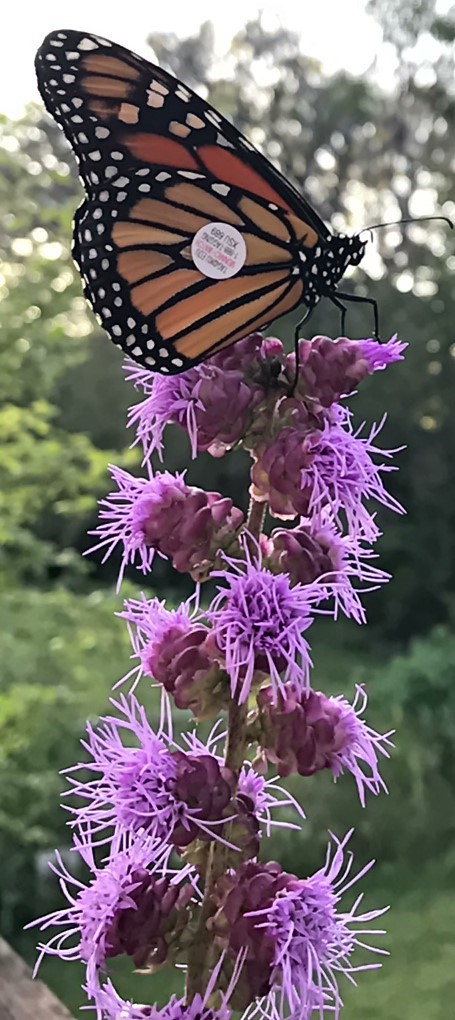



 As I checked my phone to see if I was successful, the Monarch caught a warm breeze and was off again. My cheeks were squeezed in a big smile as I discovered I got the pic! Walking back to school I realized how crazy I must have looked had someone been watching. But just like finding doughnuts in the lounge or hearing my favorite song come on the radio, it didn’t matter what anyone thought, because seeing my first Monarch butterfly of the year has become one of these things for me.
 But, what made this encounter so grand was that as I watched this Monarch flying around us, she started flying lower around some of our Purple Milkweed plants that had emerged from dormancy only a couple weeks earlier. To my surprise, the Monarch started to lay eggs. So, as you can imagine, I was frozen with excitement. I kept thinking “Nah ah!” as she continued to lay egg after egg. I knew I was watching something special. This female Monarch butterfly had made the long flight back from overwintering in Mexico and was now laying some of her final eggs on our Milkweed!!! After about five minutes of pure amazement, I was able to take this picture…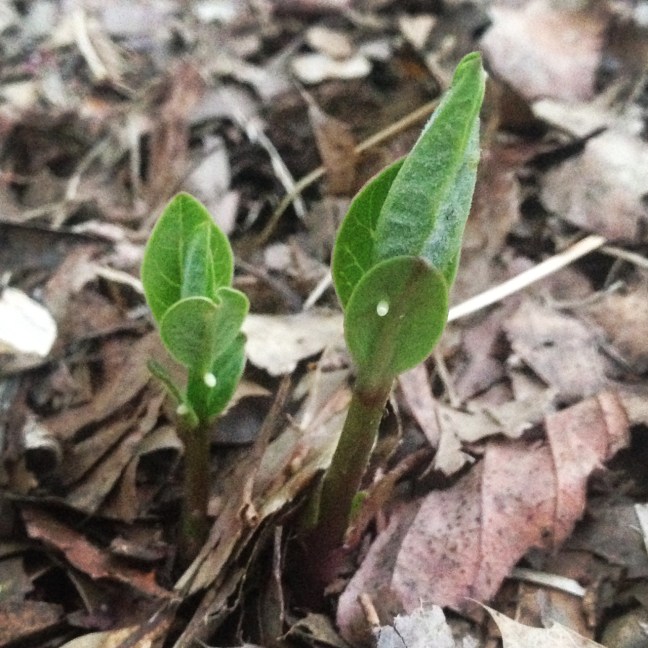

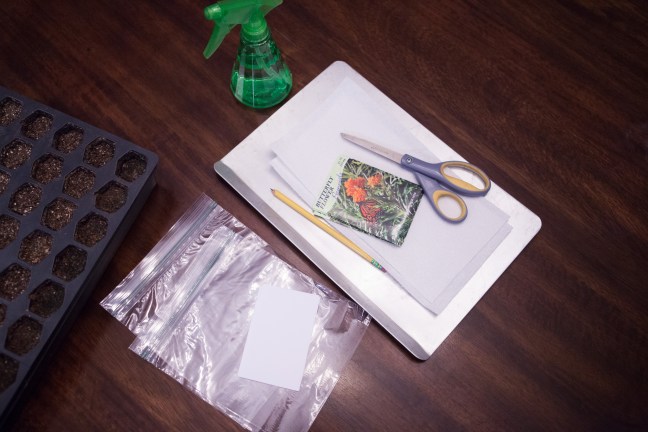
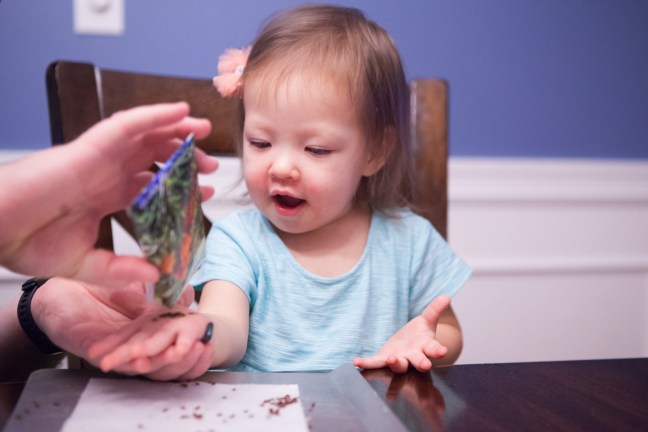
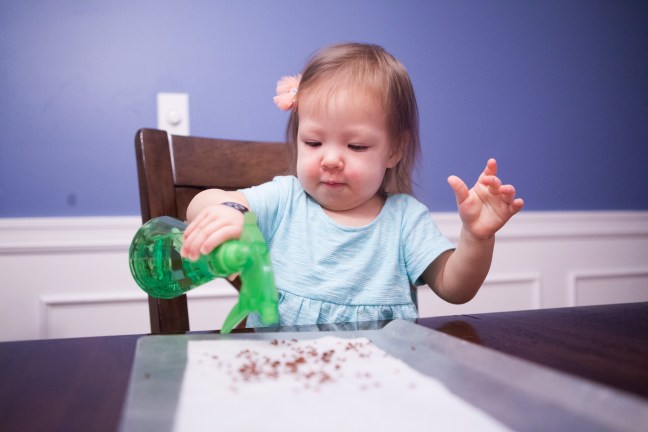




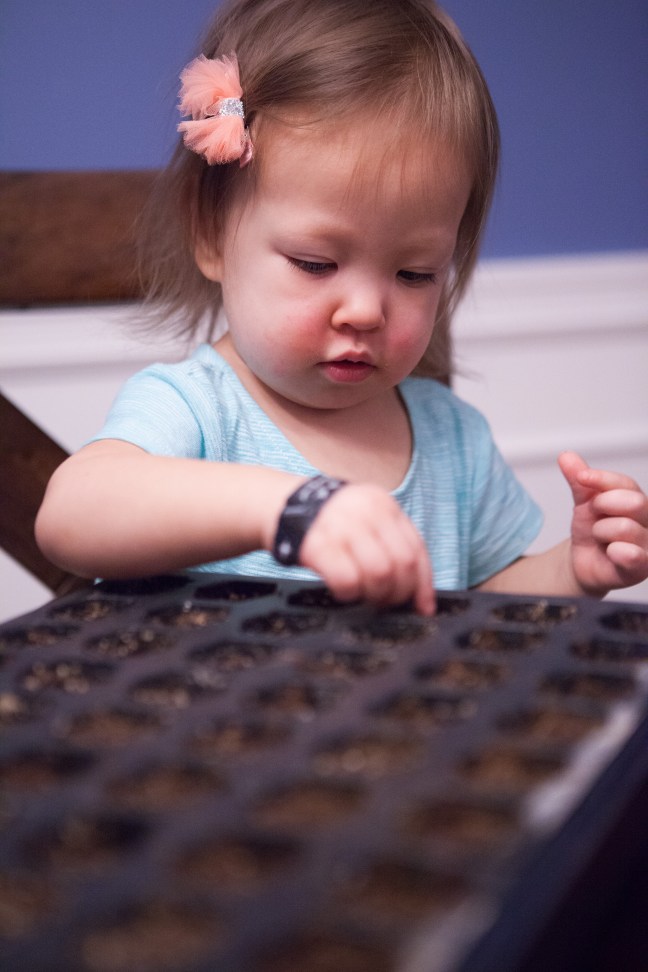 For better germination success, place your planted seeds in a warm place and continue to spray the soil with water when needed. Once seeds have sprouted, give them as much light as you can. We place our seed trays on a

 Parsons' Gardens